The University of Texas at Austin

LONGHORN
HUMANOIDS

An undergraduate robotics organization dedicated to designing and building a functional humanoid robot from the ground up.

3
Engineering Teams
Full-Stack
Humanoid Robot
2025–26
Inaugural Build Cycle
Hi friends,

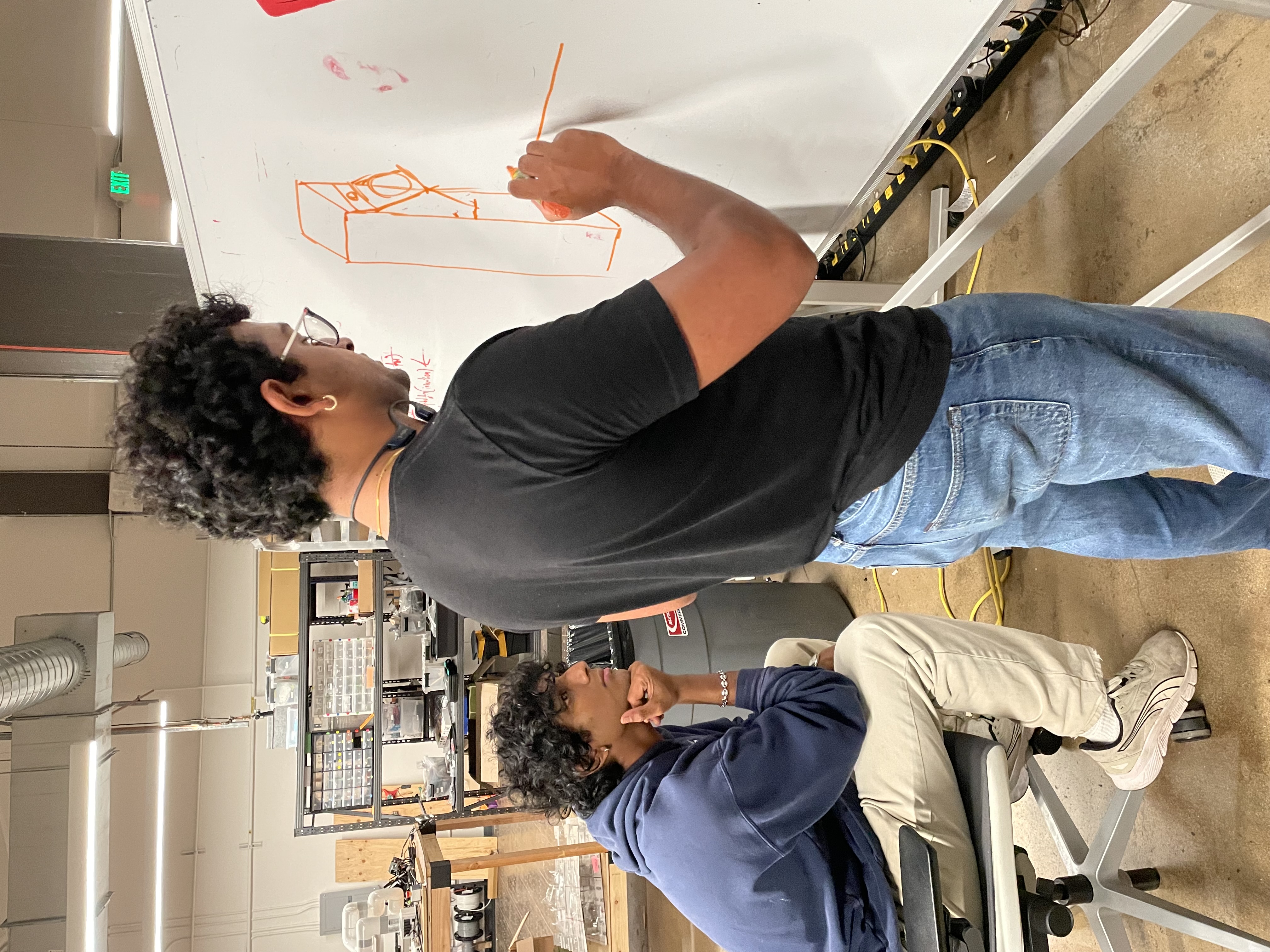
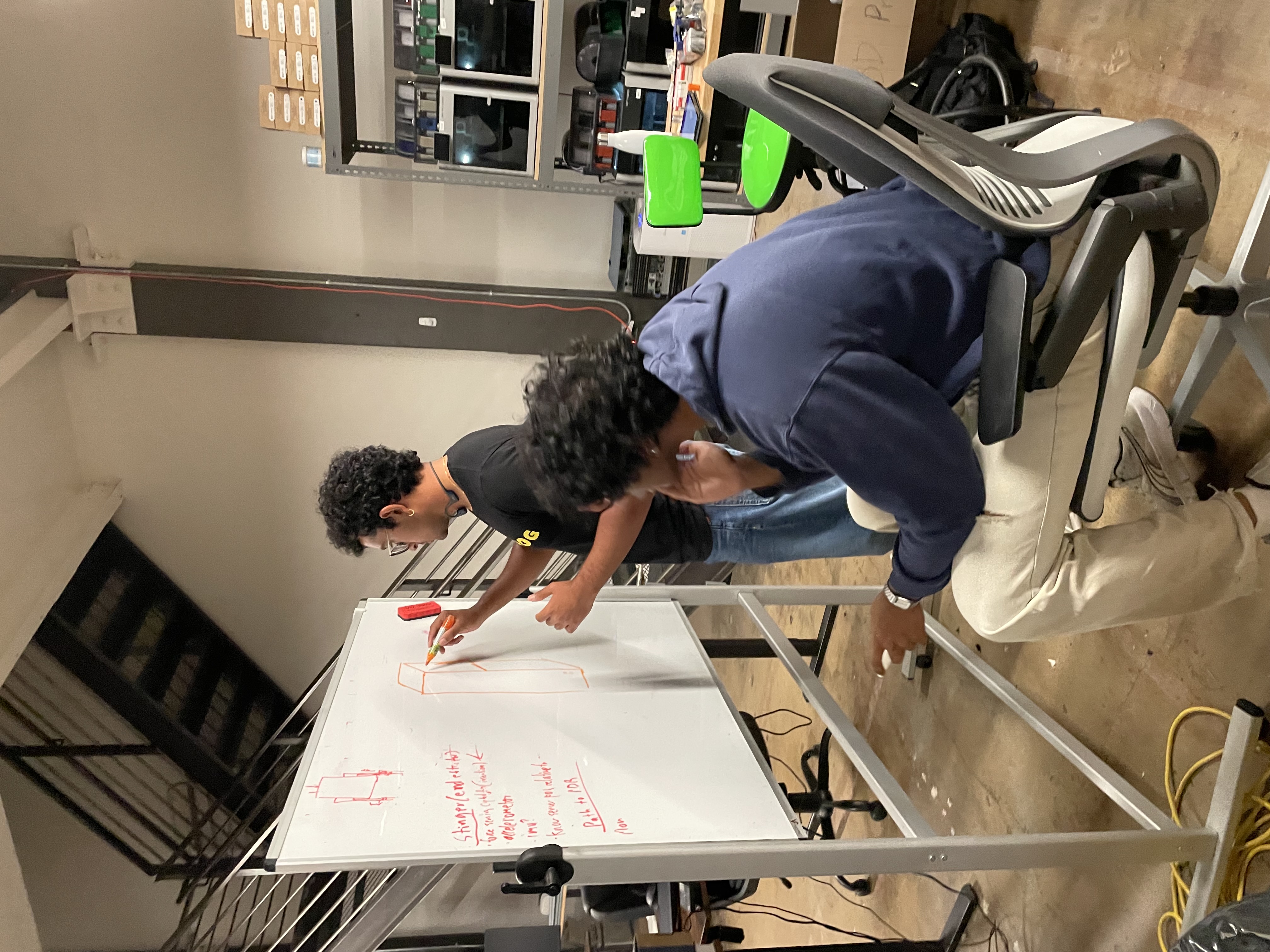
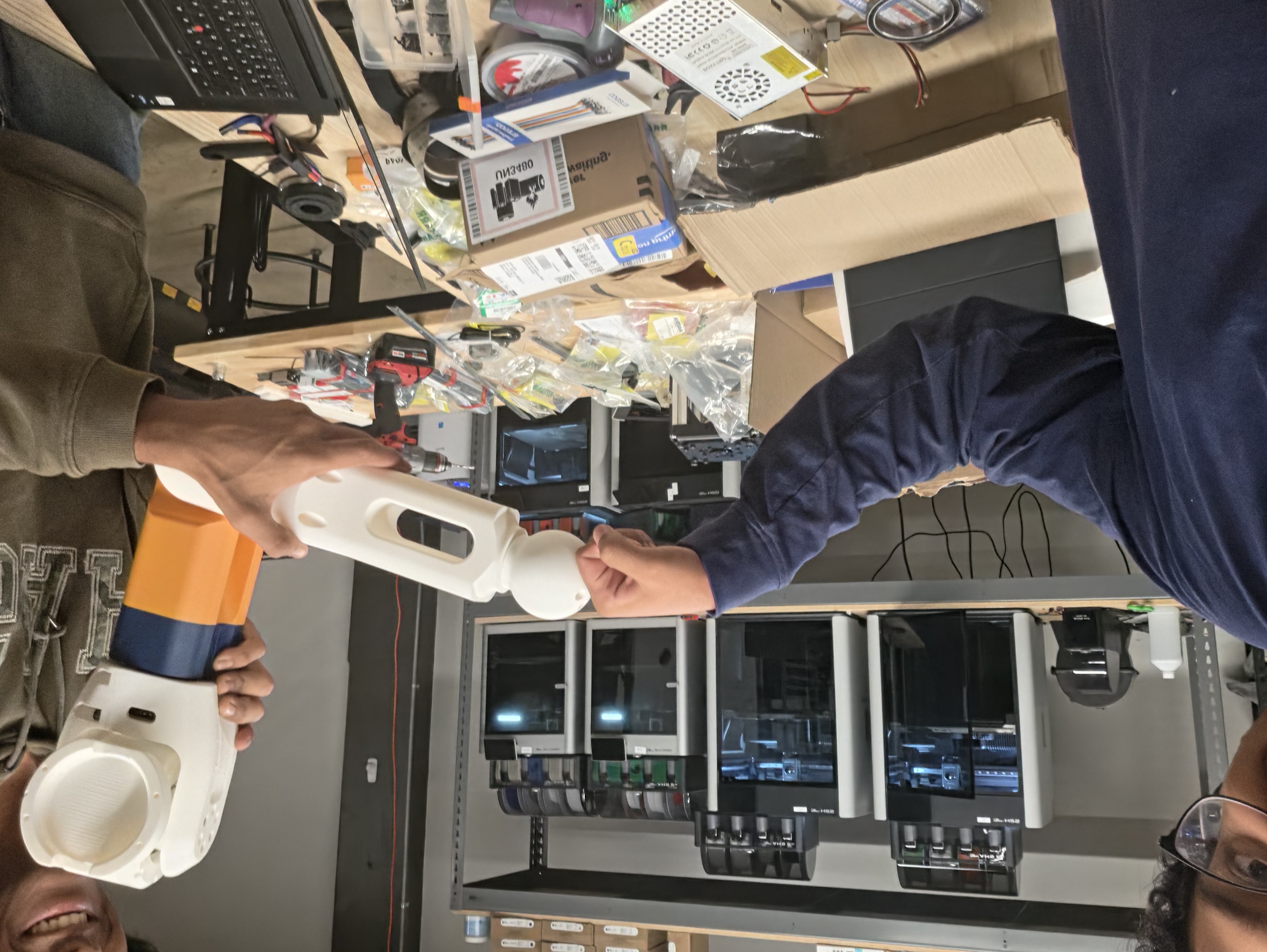
On behalf of the Longhorn Humanoids team at The University of Texas at Austin, I am reaching out to ask for your support during our 2025–2026 build cycle and beyond. Longhorn Humanoids is a new undergraduate robotics organization dedicated to designing and building a functional humanoid robot from the ground up. Our goal is to give students hands-on experience with the full robotics design cycle, including mechanical design, electrical systems, embedded software, controls, manufacturing, testing, and integration.

Through Longhorn Humanoids, students will develop the technical skills needed to build complex robotic systems while also learning the leadership, teamwork, communication, and project management skills required to bring ambitious hardware projects to life. We hope to build not only a robot, but also a strong student engineering community centered around long-term learning, mentorship, and innovation.

Your partnership would be invaluable to our success. Support from organizations like yours would help us purchase critical components, manufacture custom hardware, develop testing infrastructure, and provide students with meaningful opportunities to grow as engineers.

Enclosed within this package, you will find detailed information about our organization and the various partnership opportunities available. If you have any questions or would like to learn more, please do not hesitate to reach out. I would be happy to discuss how we can tailor a partnership to align with your organization's goals and values.

Thank you for your time and consideration. We look forward to the opportunity to work with you for years to come.

Sincerely,
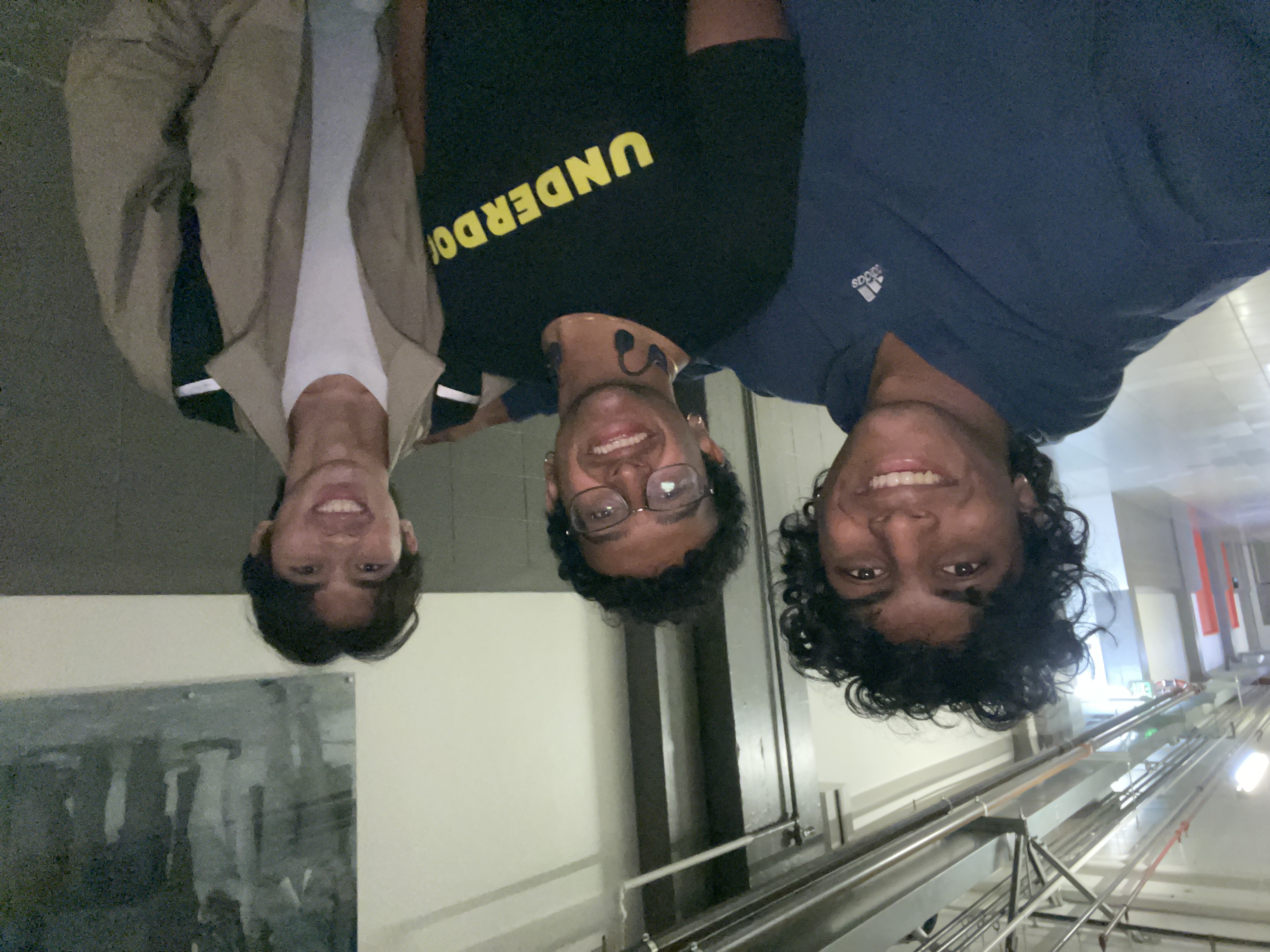
Aakash, Khoi, Ani, and the Longhorn Humanoids team

Develop World-Class Engineers

  • Give UT Austin students hands-on experience with industry-grade robotics across mechanical design, electrical systems, and software
  • Create high-stakes roles that force real trade-offs, navigate ambiguous requirements, and pressure-test assumptions through build, test, and break cycles
  • Immerse members in how a dedicated, talented engineering team ships complex robotic systems

Build Rigorous Humanoids

  • Take an iterative approach year over year toward the first undergraduate humanoid capable of autonomous walking, complex manipulation, and real-world work
  • Develop a low-cost, full-stack platform that Texas research labs and organizations can own, control, and extend
  • Strengthen Texas's impact on the robotics industry through both the technology we build and the talent we develop

Community

Everybody loves robots, but people rarely ever get to see or interact with them. Our goal is to ensure future generations are involved in this project and can see our progress. We hope to do community outreach events to inspire and teach, getting more people into the field and increasing innovation.

Develop

The goal of the organization is primarily not to develop a great robot. That is a side-effect of the overarching goal of developing world-class robotics talent, starting at the undergraduate level.

Rigor

Every single decision should have some analysis or test behind it. We aim to create a useful and well-engineered product, and we hope to push our members to facilitate this goal.

Progress

No design is perfect and can always be improved. Every iteration of our robot and every prototype should be a step forward and should undergo intense engineering scrutiny.

Why This Matters

Although robotics has historically been reserved for PhDs and engineers with decades of experience, with the rise of many different robotics startups, artificial intelligence, and interesting ventures across America — especially in Texas — this trend has been changing quickly. These companies need talent that specializes in getting things built, reliably, at scale, with continuous improvement and testing in mind.

Undergraduates now have the opportunity to meaningfully contribute to the robotics industry — not just in labs or research ventures. The knowledge is out there, in papers and classes anybody can take and understand. We feel there is a shortage of opportunity to put that knowledge to work.

Even at a large and talented school like UT Austin, the opportunities to work on as complex a robotic system as a humanoid robot are extremely limited. Research labs, while amazing, often lack the ability for undergraduates to really take projects from start to finish (0→1). Opportunities like ours are extremely rare in undergraduate research, and this work will synergize well with the academic work as we enable our students to do more complex research.

Our Roadmap

2025 – 2027
BevoBot V1
Design and build our first iteration robot, capable of walking and manipulation tasks. Set up programming, hardware, and testing infrastructure with long-term goals in mind.
2027 – 2029
BevoBot V2 & V3
Iterate and improve designs based on data-driven and analysis-based decisions. Optimize both the control and mechanical design of the robot over time.
Long-term
Open-Source Platform & Competition
Create useful open-source, quality humanoid platforms for Texas robotics. Enable an FSAE-style competition and deepen our influence in this industry.

Mechanical Team

Focused on rigorously designing the mechanisms and machinery of our robot. From complex structural simulations to hand-calcs and dynamic torque sizing, this team is responsible for building up the various joints, arms, and outer body of the humanoid. They will work with the programming and electronics teams to integrate and build the optimal robots, focusing on extensive testing and characterization of these robotics mechanisms.

Structural Simulation Dynamic Torque Sizing CAD/CAM Mechanism Design

Electrical Team

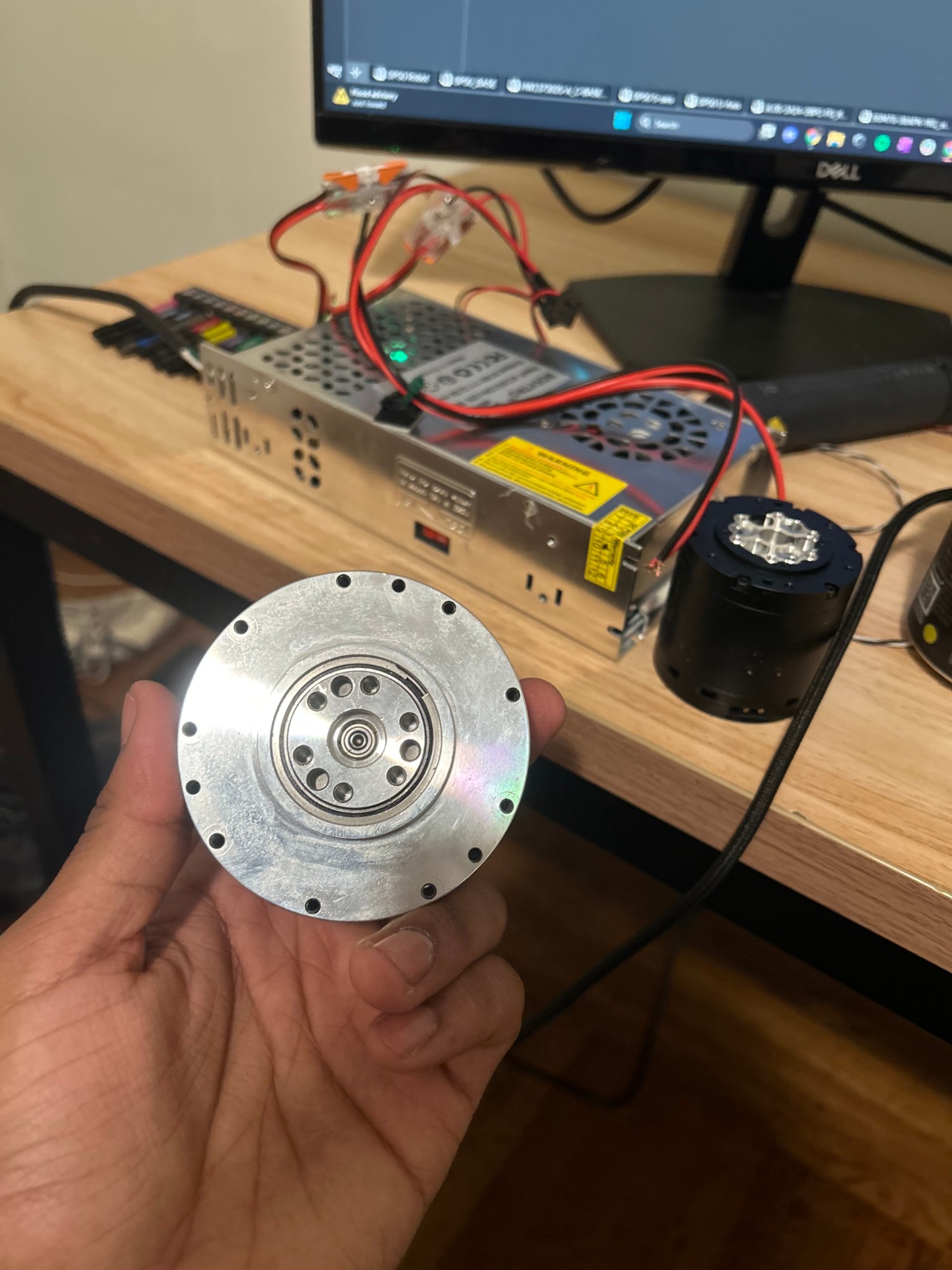
Focused on enabling the reliable operation of our robot. The team will have hands-on work with embedded systems, communication buses, custom motor drivers, firmware, and in-house PCB design. They will work with industry-standard hardware such as STM-32 boards, Jetson Nanos, and TI-C200 — aiming past standard robotics procedure to continuously iterate and strive for low-latency, high-bandwidth, and fast responding systems.

Embedded Systems PCB Design STM-32 Jetson Nano Motor Drivers

Programming Team

Creates the robot's "brain." They work closely with the electrical and mechanical teams, continuously improving and informing designs as they develop our robot's perception, manipulation, and locomotion capabilities. This team focuses on the in-house creation of teleoperation frameworks, kinematic controllers, reinforcement learning-based models for walking and using tools, and VLA models for useful work.

Teleoperation Kinematics Reinforcement Learning VLA Models Perception

Founding & Operations Team

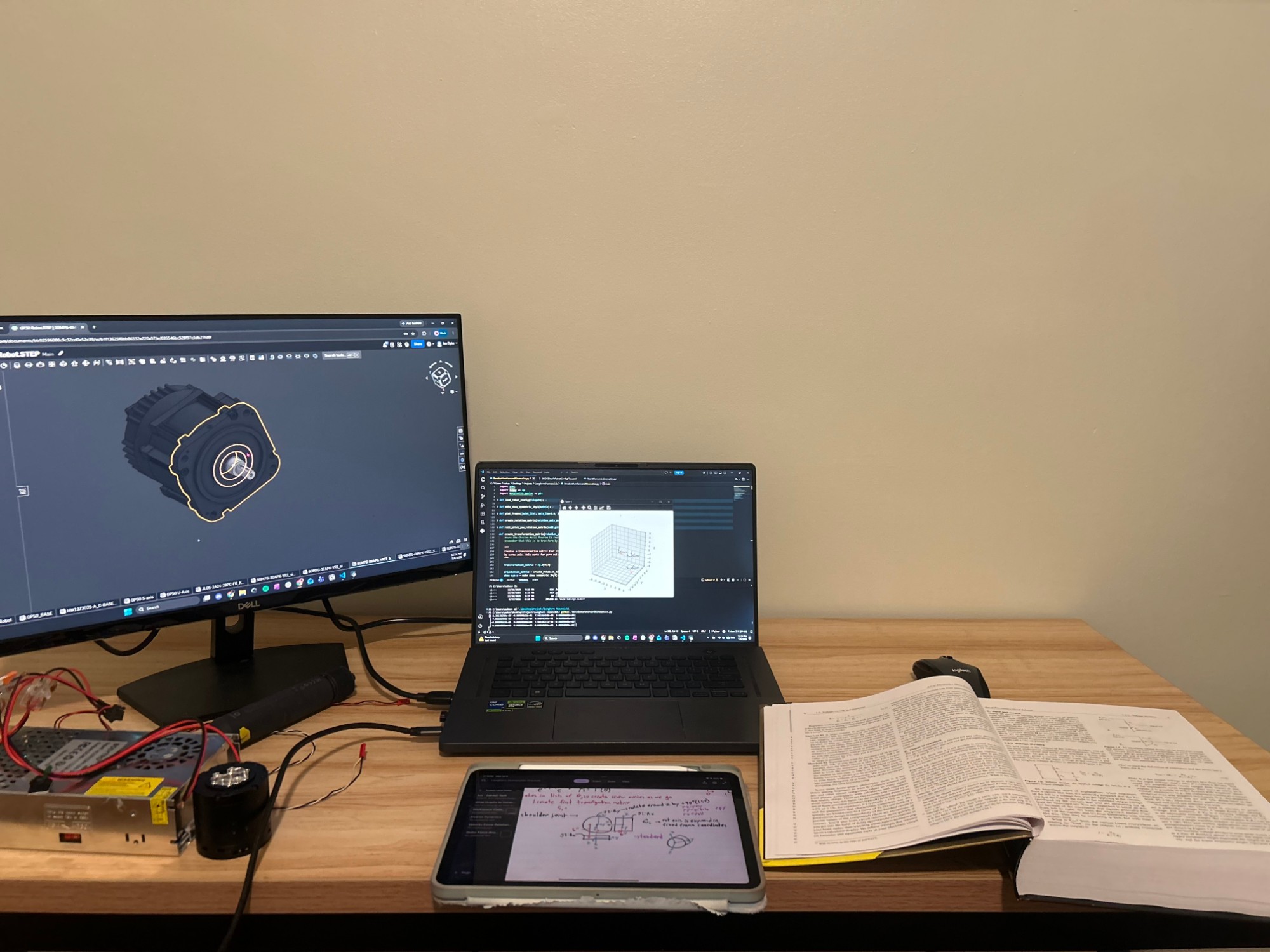
Our founding team is a group of individuals who have been building, breaking, and designing robots since middle school. Both Aniketh and Aakash have industry experience at organizations like Tesla Optimus, Sandia Labs, NASA, SpaceX, and Gradient Robotics. Our operations team pulls from business students at the cross of technology, with experience making socially impactful technology.

Tesla Optimus SpaceX NASA Sandia Labs
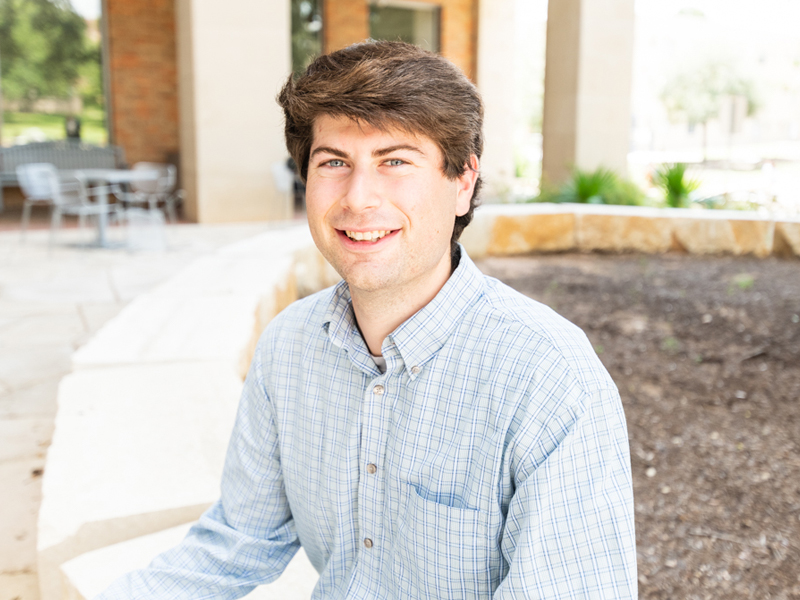
Dr. David Fridovich-Keil

Dr. David Fridovich-Keil

Sponsor & Advisor
Asst. Professor, Department of Aerospace Engineering & Engineering Mechanics
The University of Texas at Austin
Research Areas: Controls, Autonomy and Robotics

Affiliated with Texas Robotics, the Oden Institute, and the Center for Autonomy. His research spans optimal control, dynamic game theory, learning for control, and robot safety.

He received his doctorate from UC Berkeley, where he developed some of the first efficient techniques for solving noncooperative, game-theoretic motion planning problems. He completed a postdoc at Stanford and is the recipient of an NSF Graduate Research Fellowship and an NSF CAREER Award.

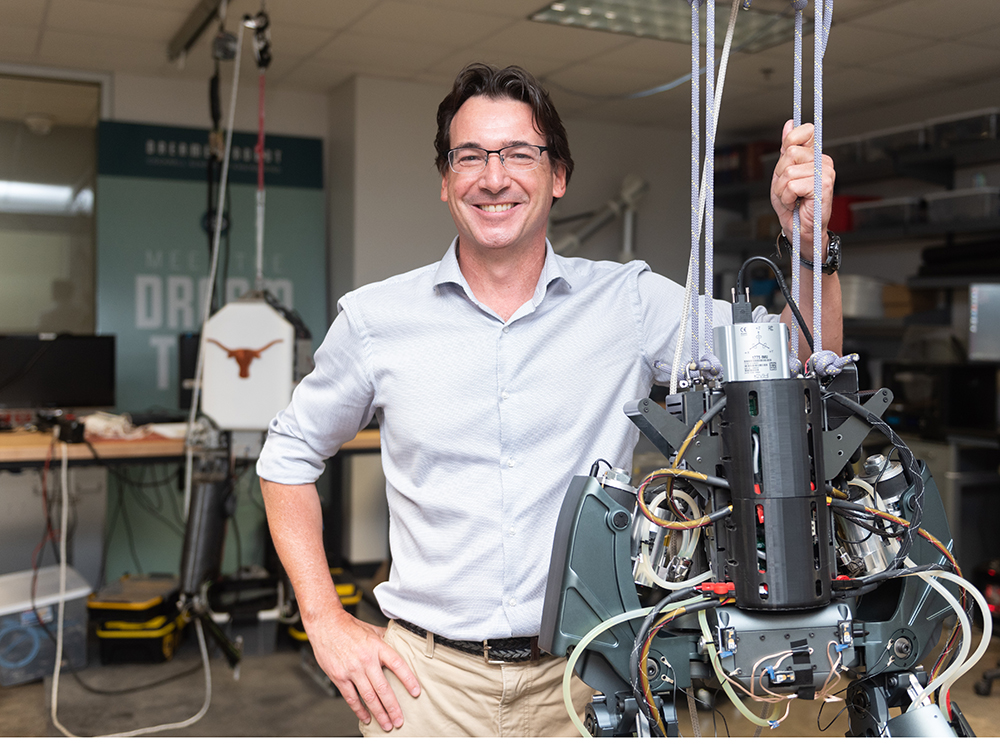
Dr. Luis Sentis

Dr. Luis Sentis

Advisor
Professor, Department of Aerospace Engineering and Engineering Mechanics, and General Dynamics Endowed Faculty Fellow
The University of Texas at Austin
Research Areas: Controls, Autonomy and Robotics

He leads the Human Centered Robotics Laboratory, focusing on control, embodiment, and intelligence of humanoid robots, exoskeletons, and autonomous systems.

He was UT Austin's Lead for DARPA's Robotics Challenge with NASA Johnson Space Center, where he helped design and test the Valkyrie humanoid robot. He is a founding member and innovation advisor for Apptronik Systems, a leading humanoid robotics company based in Austin. He holds a Ph.D. and M.S. in Electrical Engineering from Stanford University.

A

Aakash

Engineer Head
+1 (214) 642-4334
A

Ani

Engineer Head
+1 (682) 715-4721
K

Khoi

Operations Head
+1 (832) 800-6283

‘What Starts Here Changes the World’